Beyond Buzzwords: One Year Later
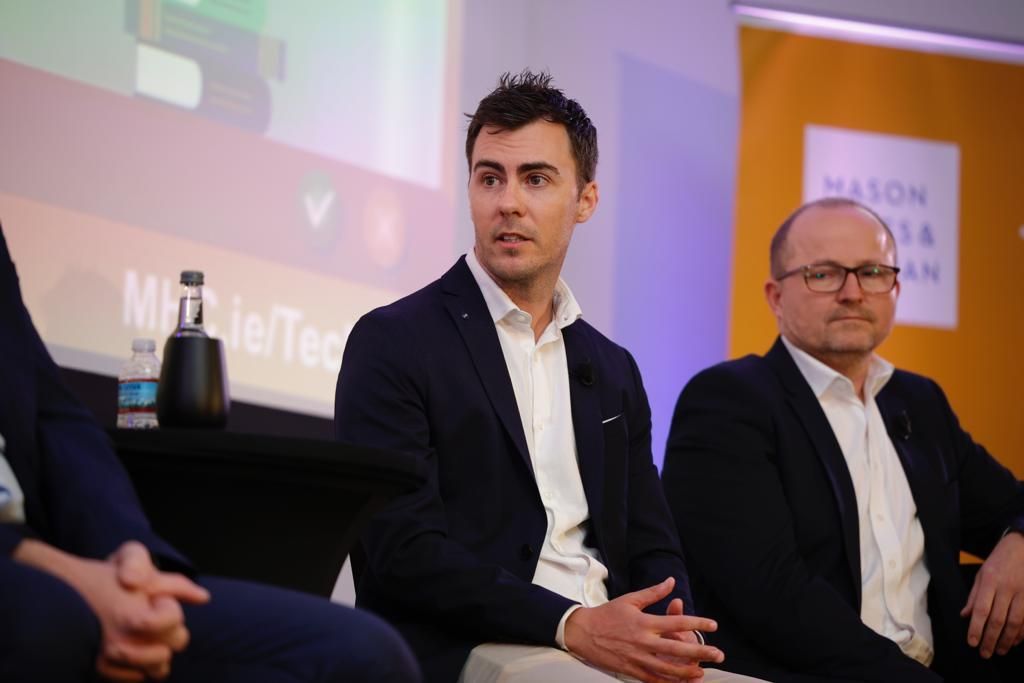
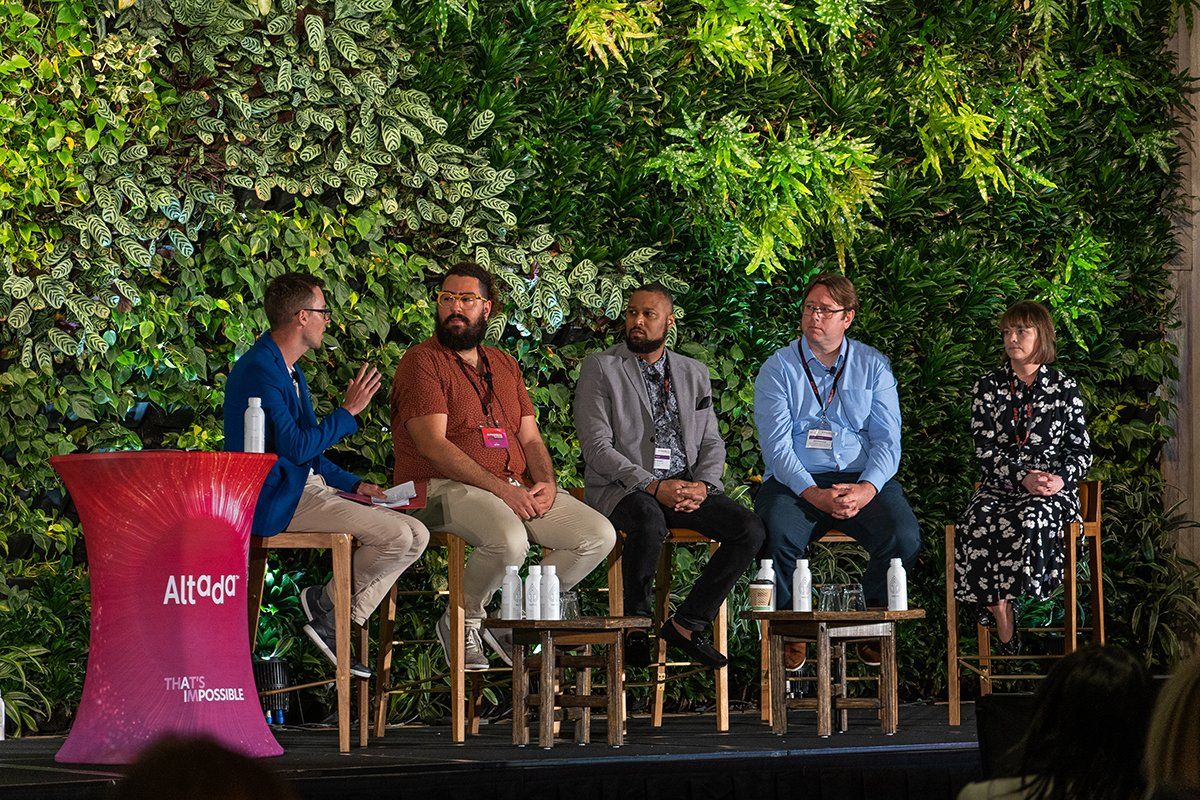
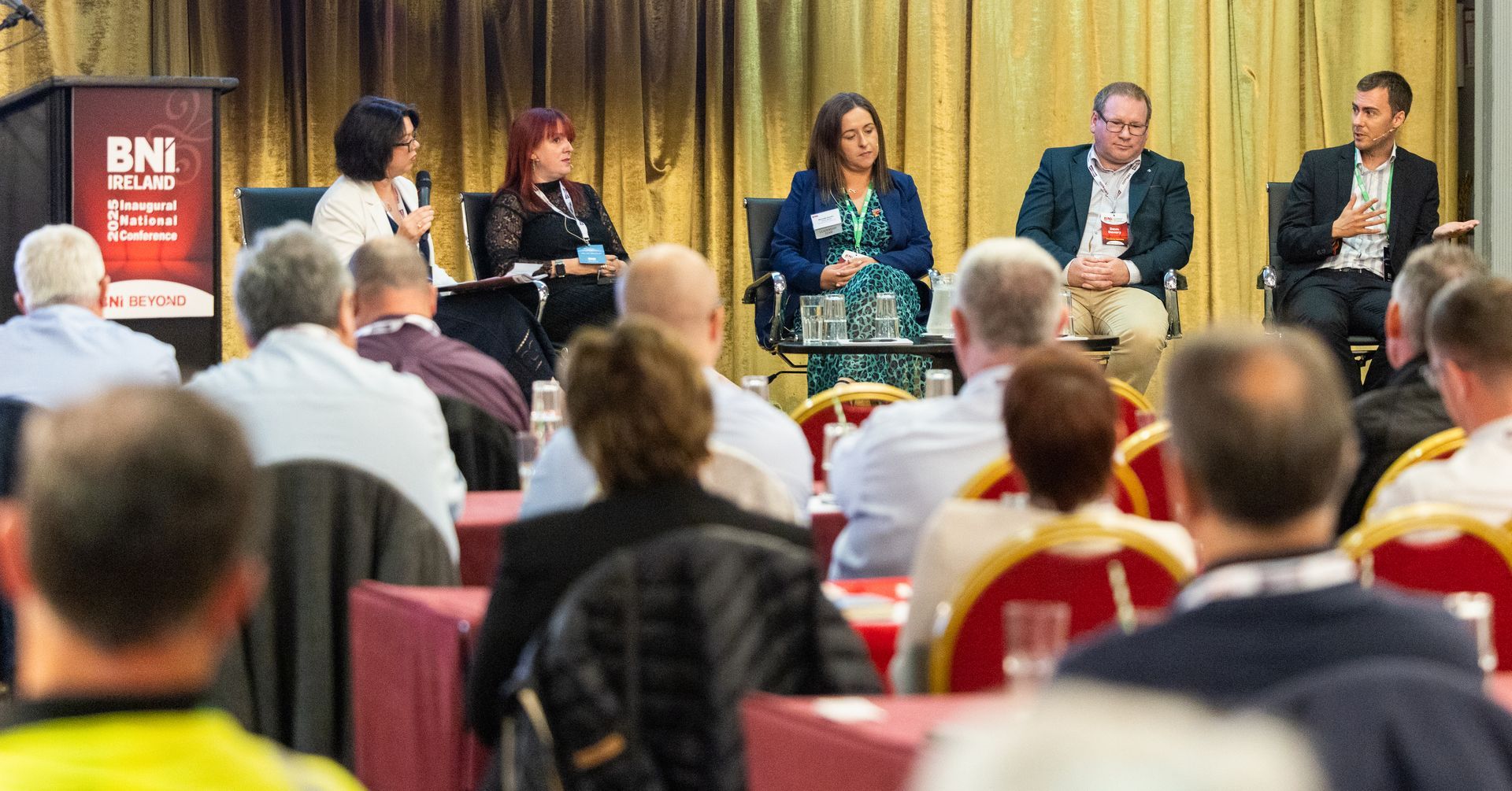
June last year, I spoke at the BNI Ireland inaugural National Conference on a panel titled “Beyond Buzzwords: What AI Actually Means for Your Business.” At the time, AI conversations were everywhere. Every week seemed to bring another prediction about autonomous companies, mass job replacement, or businesses being left in the dust if they didn’t adopt AI immediately. But the conversations happening in the room that day felt very different.
The audience were not AI researchers or technology founders. They were SME owners, operators, consultants, and entrepreneurs trying to understand what any of this actually meant for their business. And their questions were practical. Is AI genuinely useful? Is it all just hype? Do I need technical skills to benefit from it? Where do I even start?
Now, almost a year later, and with the 2026 BNI Ireland National Conference coming up this week (Friday, May 29th), I’ve found myself reflecting on the thoughts I shared that day and how much the AI conversation has evolved in such a short period of time.
The Shift
At the time, many SMEs were still cautiously testing AI. People were experimenting with tools, becoming familiar with prompts, generating content, and figuring out how any of it fit into their day-to-day work. They had curiosity, but also hesitation, and many businesses still viewed AI as something separate from their normal operations.
Over the last year, there’s been a noticeable mindset shift. Businesses have increasingly moved away from asking whether they should use AI, and instead started to identify where AI can genuinely create value for them. That’s a very different conversation.
The focus became less about a shiny new tool and more about operational efficiency. Not replacing entire teams overnight, but removing friction from everyday work. Whether that’s improving response times, summarising meetings, or reducing repetitive admin, it has helped smaller teams move faster and realise true value across practical operational improvements.
In the space of a year, the technology itself has also advanced at an extraordinary pace. Industries moved from prompting and content generation towards integrated systems, workflows, and orchestration. The ability to connect isolated thinking into systems capable of coordinating tasks, conducting research, generating software, and delivering end-to-end services in ways that would have felt ambitious just twelve months ago.
The Human Layer
But with these connected systems, the human element has become more important, not less. Back in 2025, many businesses were casually experimenting with public AI tools without fully considering the implications around data privacy, reliability, or accountability. This conversation has matured considerably over the last year, with businesses now asking much better questions. How do we integrate these tools responsibly? Can we trust the output? How do we verify accuracy for critical workflows?
That shift in mindset is important because AI adoption has moved from being purely a technology conversation towards a more operational and leadership conversation. One thing that became clear is that the businesses benefiting most from AI aren’t necessarily the ones talking about AI the most. They’re the ones quietly integrating it into real workflows, solving genuine problems, and improving how their teams operate one practical improvement at a time.
Even with the growing conversation around orchestration and agentic workflows, the core principle still remains consistent: the real value of AI is not replacing people, but enabling them to focus more of their time on higher-value work.
Final Thoughts
Looking back, I'm glad the focus of the panel leaned more towards the practicalities of AI rather than predictions. In some areas, the technology has evolved far quicker than anticipated, while in others adoption has been slower, more cautious, and more dependant on governance and organisational readiness than many expected.
Interestingly, much of the advice around getting started still holds true. The key is understanding where the real challenges, inefficiencies, and opportunities exist within a business, and identifying where AI can create value and meaningful returns. For some organisations, that may mean starting small, experimenting carefully, and staying hands-on with the output. For others, particularly where AI sits closer to the core value proposition, the opportunity may justify a deeper level of investment from the beginning. That also aligns with the broader shift happening in commercial models around AI. We're starting to see the move away from traditional seat-based pricing towards more usage and value-driven approaches, where understanding the impact of the output increasingly shapes the investment decision itself.
At the same time, the capabilities, creativity, and realism of the technology have advanced to the point where it's becoming increasingly difficult to distinguish between what's real and what's generated. That creates exciting opportunities, but also increases the importance of trust, transparency, and ethical use. And maybe that's why that 'Human Layer' feels more important now than it did a year ago.
Despite all that change, I still think the businesses benefiting most from AI will be the ones that approach it thoughtfully, focus on solving genuine problems, and apply technology in ways that create meaningful value. One year later, it's those fundamentals that still matter more than the buzzwords.
It's an exciting time, and I'm looking forward to seeing how the conversations evolve for the remainder of 2026. As someone who is actively building products and workflows in this space, I'll certainly be keeping a close eye on the next wave of tools, ideas, and systems that continue pushing the boundaries of what's possible.
Until next time. I hope you enjoyed the read. GB
Photos by: Dermot Byrne Photography